From memes to meaning: Why storytelling still drives real awareness
Let’s be real – when Facebook statuses started popping up with cryptic messages like “I like it on the floor” or just a color like “blue,” most of us were intrigued. Maybe even a little entertained. It felt like an inside joke, a clever nod to something important – breast cancer awareness – without spelling it out. But what started as a viral wave of cheeky updates quickly turned into something else. It became the social media equivalent of a flash mob: attention-grabbing, yes, but lacking in depth or direction.
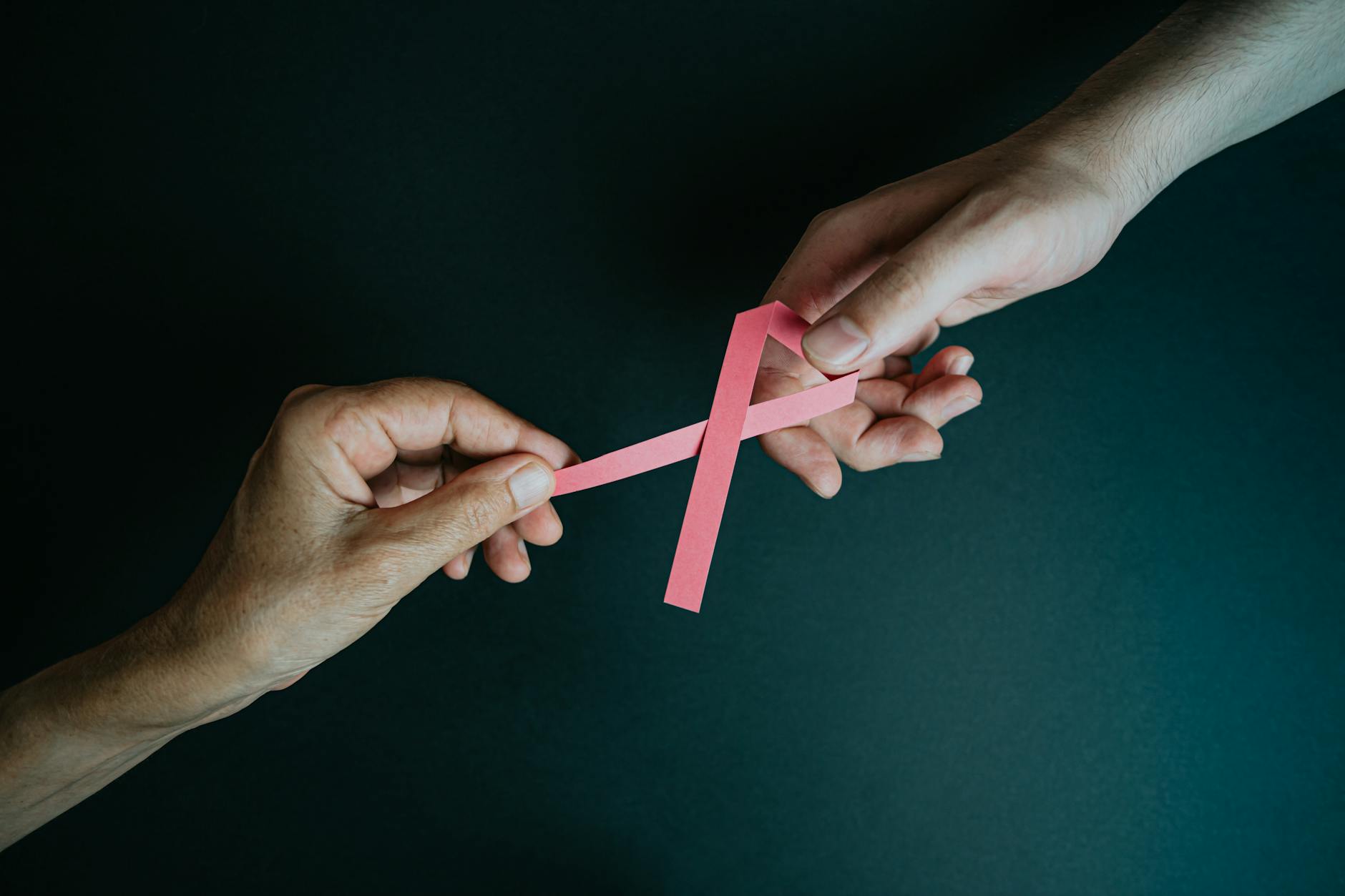
So that brings us to the real question: are we raising awareness, or just performing it?
It’s time to unpack one of the most talked about breast cancer awareness campaigns in social media history and what it teaches us about cyberactivism, intention, and how connection needs to stretch beyond the like button.
From Bra Colors to Buzz: What Made These Memes So Shareable?
The breast cancer awareness Facebook meme checked all the boxes of a viral hit:
- It was playful: vague innuendos like “I like it behind the couch” made it feel like a fun inside joke.
- It was private: sent as a DM, giving it an exclusive, “just between us” vibe.
- It required little effort: just post a color or phrase – no donation, no time, no research.
- It felt good to share: people believed they were helping spread awareness for a worthy cause.
And it worked… sort of. The Susan G. Komen Foundation did report an uptick in donations (Hill, M. D., & Hayes, M., 2015). But was it because of the meme, or because it was the beginning of October, when pink floods every timeline and television anyway?

Here’s the catch: Awareness isn’t the same as action. These viral memes weren’t linked to tangible education, donation links, or real-life support efforts.
- They excluded men, intentionally. Many of the messages specifically asked participants to “keep the secret from the guys.” Yet, over 2,500 men are diagnosed with breast cancer each year (CDC.gov).
- They prioritized virality over value. Sexual innuendo got people talking, but didn’t teach them anything meaningful about prevention, detection, or support services.
- They didn’t create emotional connection. According to Mahoney and Tang (2016), mobilization is most effective when it creates real emotional experiences—not just clever content.
A Better Path Forward: Authentic Advocacy
The lesson here isn’t that social media can’t be used for good. It can be and it should be. But we need to understand that a clever status update or inside-joke meme is enough to drive change.
When crafting a brand mission or a cause marketing campaign, the challenge isn’t just “how do we go viral?” It’s “how do we go deeper?” According to Mahoney and Tang (2016), the most effective social media strategies for social change go beyond surface-level engagement and are rooted in dialogue, transparency, and emotional connection. Audiences want to feel part of a movement, not just a moment.
Authentic advocacy means designing content that leads to real-life behavior: donating, volunteering, signing petitions, attending events, or simply becoming more informed. These are the digital breadcrumbs that build brand trust and credibility. As the Strategic Social Media text reminds us, mobilization starts when users feel personally invested and when content empowers them to act, not just consume (Mahoney & Tang, 2016).
Social media isn’t the problem. It’s the opportunity. But we need to treat platforms like tools, not the end goal. If we only measure success by shares, we risk overlooking whether anyone actually did something because of our message.
Want your campaign to make a difference?
Then aim for relevance, relatability, and real-world outcomes. Tell real stories. Give people something they can do today. Even small asks, like forwarding a resource or joining a local event, can lead to real impact when paired with authentic messaging and thoughtful design.
Surface-level content might generate clicks, but without a compelling narrative, it rarely moves the needle on awareness or action. Storytelling is what transforms a message from a fleeting impression into a lasting impact. It’s not about chasing trends. For campaigns to succeed, especially those tied to social causes, brands must dig deeper and tell stories that reflect real experiences, evoke empathy, and invite participation.
Because at the end of the day, awareness without action is a missed opportunity. Let’s stop settling for “viral” and start building something that actually matters.
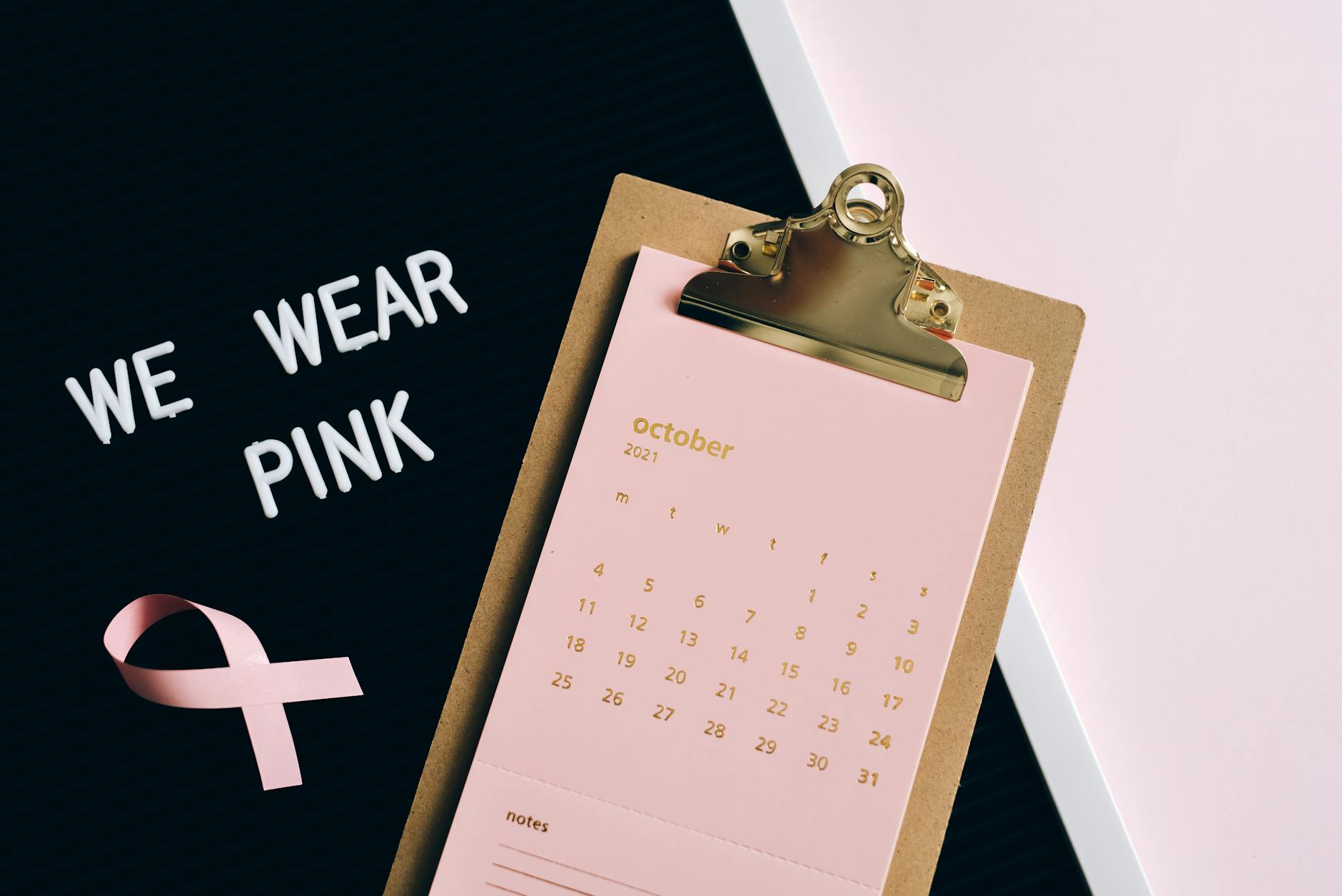
💡 How to Turn Awareness Into Action
If you’re a cause-based brand or nonprofit, you can still harness the power of social media, but you have to give it more muscle than memes alone.
Here’s what works:
🔗 Tie every post to real-world action: Include donation links, volunteer sign-ups, event pages, or educational resources.
💬 Create content that connects: Share survivor stories. Show what treatment looks like. Bring people into the reality of your mission—not just the pink ribbons.
📣 Involve everyone: Make inclusivity part of the message. Breast cancer affects all genders, all backgrounds, and all communities.
✨ Inspire, then mobilize: Emotional storytelling should be a bridge to action, not a stopping point. Move people from empathy to engagement.
🔗 Explore More:
🧠 Over to You
Have you ever shared a cause-driven meme or post without looking deeper into the message behind it? What would make you take the next step beyond “like” or “share”? Drop your thoughts in the comments.



 Kristin Lemons - Leadership with Lemons
Leave a reply to jsmith_conncollwbb Cancel reply