It’s Not About Going Viral — It’s About Becoming Vital
Going viral fades. Becoming vital sticks. Imagine if you could do everything – chat with friends, shop online, hail a taxi, pay your bills, send gifts – all from a single app. No switching tabs. No wasted time.
That’s exactly the world Weixin created. But this wasn’t just good design, it was a deliberate, strategic blueprint to turn everyday convenience into unstoppable brand loyalty.
Knowing Your Audience: Weixin’s Superpower
Understanding your audience isn’t a “nice to have” in any social media strategy – it’s essential. Weixin absolutely nails this. From the beginning, Tencent (Weixin’s parent company) made a critical move: they focused sharply on young, urban smartphone users who were glued to their devices. But they didn’t just guess what these users wanted, they observed behaviors and listened closely to emerging needs.
As a practitioner today, one of the best ways to know your audience is through social listening and using tools like Hootsuite to monitor what people say about your brand (and your competitors). Surveys, polls, and audience analytics inside platforms like Facebook Insights also reveal hidden patterns.
Weixin’s success wasn’t luck – it was research + execution at its best.

The Blueprint: Simplicity, Habit, and Features That Feel Like Everyday Life
One of the biggest secrets behind Weixin’s insane growth?
They made themselves essential.
Think about it.
- Need to send a text?
- Want to share baby photos?
- Ordering dinner?
- Booking a cab?
- Paying at a restaurant?
All of these can be done via Weixin.
By bundling everyday tasks into one platform, Weixin eliminated “search costs.” Why jump from app to app when one does it all? Convenience creates habits, and habits foster loyalty.
Compare that to Western platforms, where you might text on WhatsApp, order food on Uber Eats, and shop through Amazon separately. Weixin figured out early that streamlining daily life was key to becoming irreplaceable. Another smart move? They kept the app incredibly easy to use. Holding a button to record voice messages and seamless in-app browsers for articles—it’s all designed to reduce friction.
Cultural Intelligence: The Red Envelope Campaign
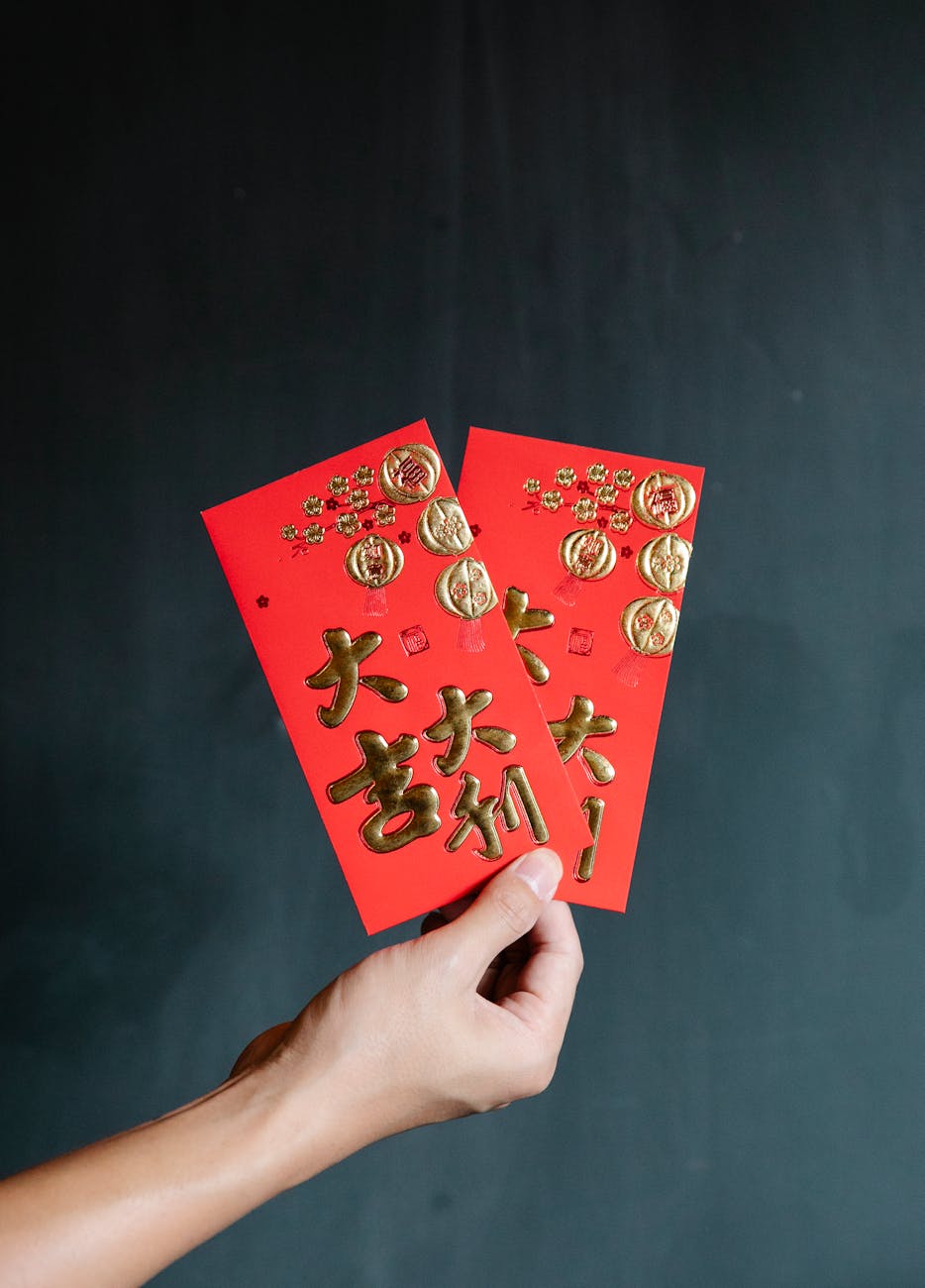
One of my favorite examples is Weixin’s Red Envelope (Hongbao) campaign.
Instead of forcing users to adopt new habits, they leaned into an existing cultural tradition, giving red envelopes with cash during holidays, and made it digital, social, and fun.
The random assignment of money inside the envelopes even tapped into gamification psychology, adding suspense and excitement to a traditional act.
In just days, millions of users linked their bank accounts to Weixin, making financial transactions a normal part of the platform experience.
(If you love the Red Envelope story, here’s a great TechCrunch article that breaks down the numbers.)
Could Weixin Win Globally?
Short answer: maybe – but it’s complicated.
Culturally, Weixin fits perfectly into the mobile-first, fast-paced urban lifestyle of China. In the U.S. or Europe, where app ecosystems are more fragmented and concerns over data privacy are higher, duplicating that success would be tougher.
Still, companies like Facebook (with Messenger), Apple (with Apple Pay), and Google are clearly trying to build their own versions of Weixin’s all-in-one model.
The real takeaway?
If you want to win hearts (and wallets), make your platform a part of everyday life, not just a tool.
Think about the apps you use every day without even realizing it. What makes them vital to you? What could brands learn from that?
I’d love to hear your thoughts in the comments!


 Kristin Lemons - Leadership with Lemons
Leave a comment